

Consider this your sign to stop expecting yourself to have all the answers.
You don’t always have to know why you’re feeling overwhelmed. And you don’t have to figure out every relationship problem on your own, either.
Sometimes, talking to someone outside the situation can help you see things differently.
But should that conversation happen between you and a therapist? Or should your partner be part of it, too? When it comes to couples therapy vs. individual therapy, the answer depends on what you’re going through.
Let’s talk about the differences and how to choose the support you actually need.
Couples Therapy vs Individual Therapy: What’s the Real Difference?
Here’s the simplest way I explain it. Individual therapy asks, “How do I stop feeling this way?” Couples therapy asks, “Why do we keep doing this?”
One looks inward. The other looks between you. That’s the heart of individual vs. couples therapy.
What Is Couples Therapy?

Credit: innersummits.ca
In couples therapy, the relationship is the client. Not you or your partner, but the pattern between you.
The therapist stays neutral. Watching how a disagreement starts, how it escalates, and who shuts down first is observed. Couples rarely see this from inside their own fight.
Good couples work is structured, too. Research-based models like the Gottman Method and Emotionally Focused Therapy give sessions a clear direction. You leave with skills, not just a good cry.
What Is Individual Therapy?
Credit: santecenter.com
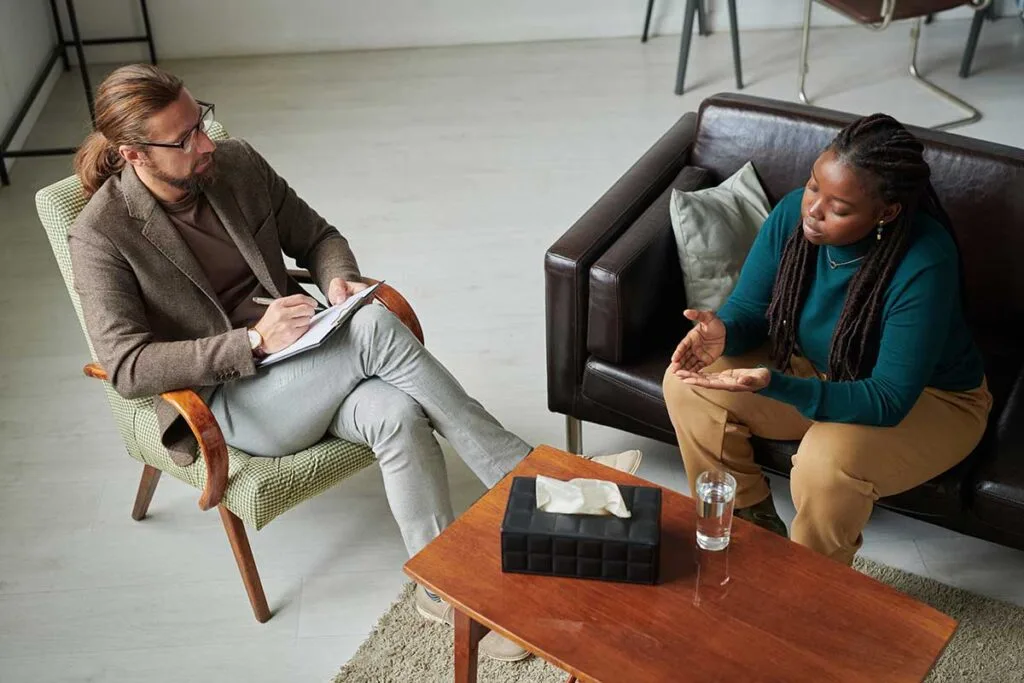
However, individual therapy is your private room. Everything centers on you: your history, triggers, stress, and choices.
You can talk about your partner as freely as you like. Nobody else is listening. A therapist is fully on your side.
The benefits of individual therapy are practical. You gain self-awareness, healthier coping skills, and more confidence in your decisions. It’s the place for anxiety, depression, grief, trauma, or that vague feeling of being lost. Learn more about individual therapy at WhysCounselor.
Quick Comparison
| Couples Therapy | Individual Therapy | |
|---|---|---|
| Main question | Why do we keep doing this? | How do I stop feeling this way? |
| Who attends | You, your partner, one therapist | Just you |
| Therapist’s role | Neutral to both of you | Fully in your corner |
| Best for | Conflict, distance, broken trust, big transitions | Anxiety, depression, trauma, grief, self-doubt |
| What changes | How you two interact | How you think, feel, and cope |
When Does Couples Therapy Make More Sense?

Credit: atlanticbehavioralhealth.com
Couples therapy fits when relationship issues live between you. Here’s what that usually looks like:
- You have the same fight on repeat. The topic changes, and the pattern doesn’t.
- You feel like roommates. Polite, busy, and quietly lonely.
- Trust has cracked, through an affair, secrets, or money hidden from one another.
- A big change has landed on both of you: a baby, a move, a blended family, an empty nest.
- Talking about it makes it worse, so you’ve stopped talking. Intimacy has faded too. Some partners explore couples therapy at this point.
Here’s my quick test. If your partner’s name shows up in most of your complaints, and yours in theirs, the work is probably shared.
One condition matters. Both of you need to be willing to show up. Couples therapy can’t be forced on someone.
When Might Individual Therapy Be the Better Starting Point?
Credit: silvermaplerecovery.com
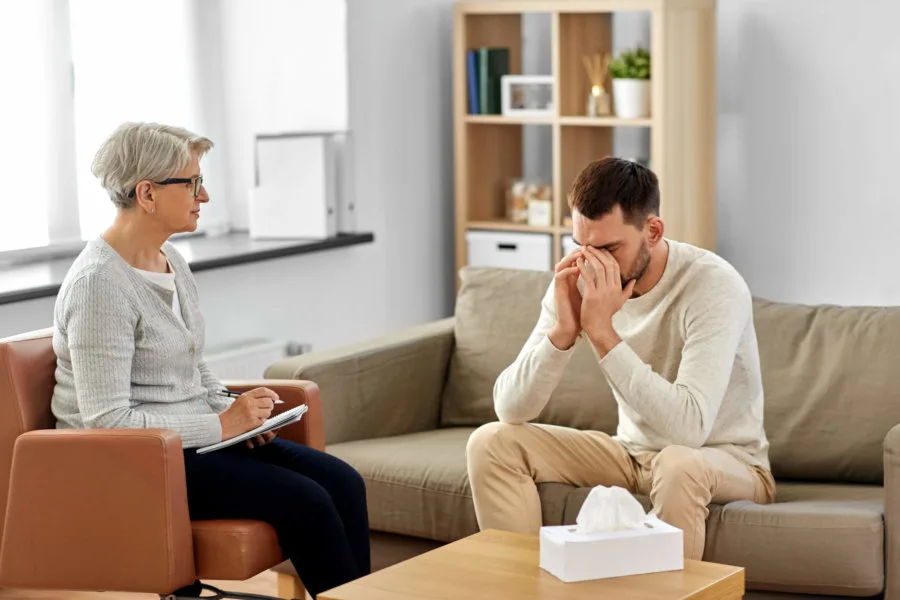
Sometimes the relationship looks broken, but the real strain is inside one person. Couples therapy can’t fix that alone. It can even make things louder.
Your Emotional Struggles Are Affecting the Relationship
So, let’s say you have a partner with untreated anxiety. They check, worry, and need constant reassurance. The other partner feels smothered and pulls away.
On the surface, it’s a communication problem. Underneath, it’s anxiety. The same goes for depression, trauma, grief, and addiction.
When one person is in survival mode, joint sessions struggle to land. Stabilizing first often makes couples work faster later. If you’re weighing couples therapy vs individual therapy for relationship anxiety, ask where the worry lives. Anxiety that follows you everywhere usually needs individual care first. Anxiety that spikes only with this partner may call for couples work.
Repetition of the Same Patterns
Have you noticed the same story in different relationships? The partner changes, but the ending doesn’t.
That’s a clue. A pattern that follows you is rarely about one partner. It often traces back to attachment, old wounds, or beliefs you picked up early.
Individual therapy lets you trace it back, safely. You can’t change a pattern you can’t see.
You Need Clarity About Your Own Feelings
Maybe you’re not sure you want to stay, or maybe you’ve lost track of who you are outside the relationship.
Bringing that into couples therapy too soon can feel unfair to both of you. You need room to think without managing someone else’s reaction.
Individual sessions give you that room. They also help you rehearse hard conversations before you have them. If this sounds like you, let us help you with individual therapy services at WhysCounselor. Because you can start your healing journey anytime.
Can You Benefit From Couples Therapy and Individual Therapy Together?

Credit: everydayhealth.com
Yes. Many people do. Individual work builds your insight. Couples work turns that insight into new habits with your partner.
Here’s why that matters. Understanding yourself doesn’t automatically change how two people fight. Both of you have to practice new responses in the moments that used to blow up.
Two setups work well:
- One after the other. Start individually to steady things, then add couples sessions.
- At the same time. Best for urgent relationship stress with milder personal struggles.
One tip: use separate therapists for each role. Your individual therapist should be fully on your side. A couples therapist must stay neutral. Mixing the two can make one partner feel outnumbered.
If you do have separate clinicians, they can coordinate. That only happens with your written consent, and they share themes, not secrets.
What If Your Partner Doesn’t Want to Go to Therapy?

Credit: roselandtherapy.com
This is one of the most common things I hear. Take a breath; you still have options.
Start on your own. When one person changes how they respond, the whole dance shifts. You set clearer boundaries. You stay calmer in conflict. Often, your partner gets curious.
How you invite them matters. “You need therapy” sounds like blame. Try this instead: “I’m not saying we’re broken. I just want us to feel closer.”
Two things to avoid:
- Ultimatums. They create resistance, not willingness.
- Dragging them in. Reluctant attendance rarely works.
Let them see your growth. Then offer again, gently. Many partners join later, once therapy stops feeling like a threat.
When Should You Put Safety Before Couples Therapy?
Credit: regain.us
This part matters most, so please read it slowly.
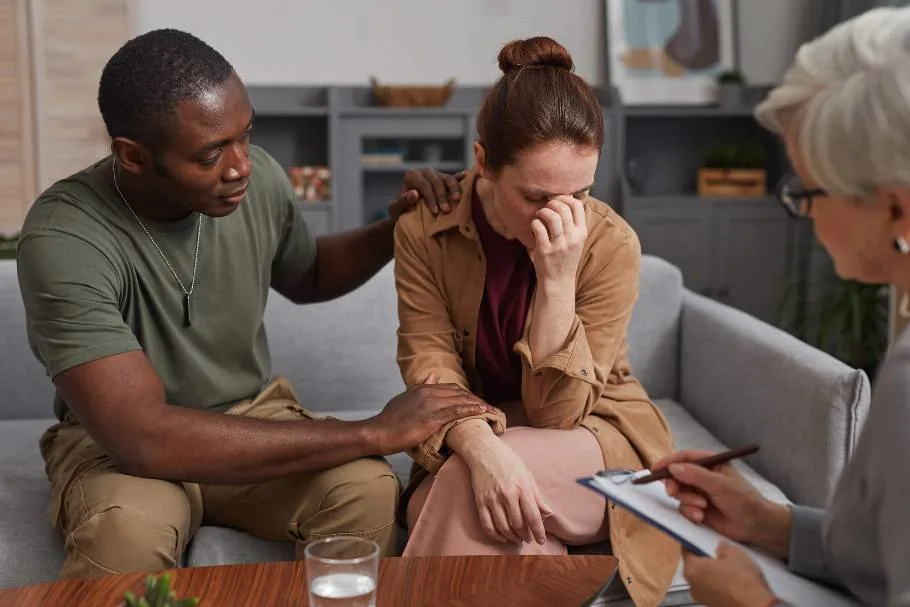
So, in couples therapy, it is assumed both partners can speak honestly without fear. If that isn’t true, it can do harm. Skip joint sessions first if you’re facing:
- Physical violence or threats
- Controlling behavior, like monitoring, isolating, or financial control
- Fear of what happens after you say something honest in session
Couples therapy can’t create safety. A partner who risks retaliation for speaking up needs private support first. That means individual therapy, and often a safety plan.
If this is you, the National Domestic Violence Hotline offers free, confidential help at 1-800-799-7233. You can also text START to 88788.
You don’t need to be sure it’s “bad enough.” If you’re afraid, that’s reason enough to reach out.
Still Unsure? Ask Yourself These Four Questions
Grab a pen. Answer based on how things are now, not how they used to be.
- Where does it hurt most? Inside me, or between us?
- Does this pattern follow me? Did I feel this way in past relationships too?
- Are we both ready? Or is only one of us willing to try?
- Can I be honest with my partner in the room? Or do I fear the fallout?
Here’s how to read your answers. Mostly “between us” points to couples therapy. Mostly “inside me” points to individual therapy. A mix means you might need both.
And if question four made your stomach drop, go back to the safety section. Start there.
Can’t tell? That’s normal. You don’t have to solve this alone. A short conversation with a therapist can sort it out. Or maybe this is your sign to talk to Denise at WhysCounselor.
How WhysCounselor Can Help You Find the Right Starting Point
You don’t have to figure this out on your own. That’s exactly what a first conversation is for.
At WhysCounselor, our goal is simple. It starts with what’s really going on. Then you’re matched with the support that fits. No pressure, no labels, and no “right answer” you’re expected to know in advance.
Have questions about couples therapy cost or fees? Ask them in that first conversation. Want to understand your options first? Explore the therapy services. Ready to talk? Schedule a consultation and take the first step.
Final Remarks
Couples therapy vs individual therapy isn’t a contest. It’s a question of where the work lives.
If the struggle sits between you and you’re both willing, start with couples therapy. If it sits inside you, or your partner isn’t ready, start with individual therapy. If it’s both, do both with separate therapists.
If safety is a concern, put that first. Always.
And remember, no choice is permanent. A good therapist adjusts the plan as you go. The only real mistake is staying stuck for years because you couldn’t decide.
You’ve already done the hard part. You asked the question. Now take one small step.
Frequently Asked Questions
If you’re still weighing your options, these common questions might help you find some clarity.
Individual therapy vs couples therapy: which should I start with?
Start where the struggle is greatest. Shared conflict, with two willing partners, points to couples therapy. Personal struggles, or a reluctant partner, point to individual therapy.
Can the same therapist see me alone and as a couple?
Usually it’s better not to. An individual therapist is on your side. A couples therapist stays neutral. Separate therapists protect both roles.
Can individual therapy hurt my relationship?
It can stir things up. Honest self-reflection sometimes surfaces problems you were avoiding. Most of the time, that leads to healthier communication, not a breakup.
What if I pick the wrong one?
Nothing is lost. Therapy needs change, and you can switch or add the other type later. A good therapist will tell you if another path fits better.
Does couples therapy work?
For many couples, yes. It works best when both partners show up, practice between sessions, and trust their therapist. It won’t fix everything. Sometimes it helps partners see that they want different things. Even then, clarity is progress.